
In my case, I made the decision to install it from the institute's NAS.
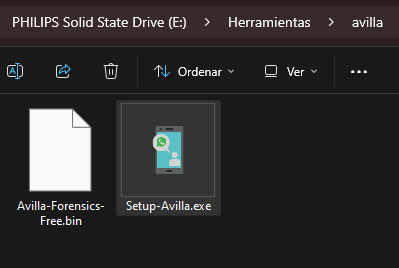
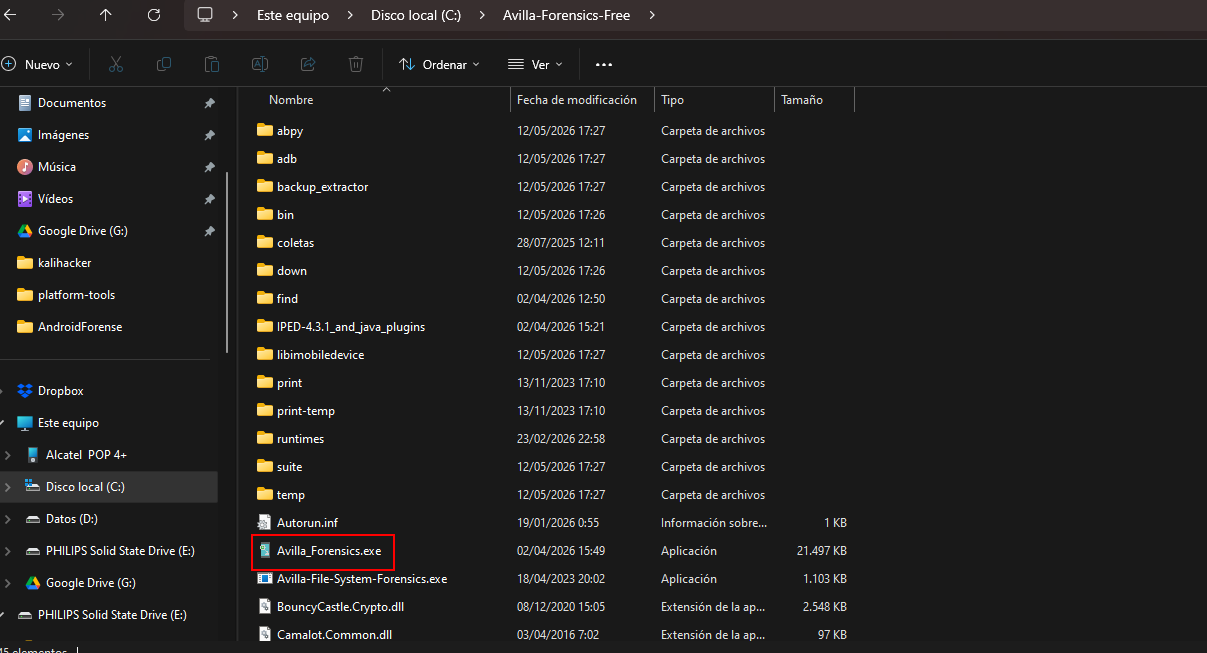
Once installed, we navigate to the directory specified during installation and execute the .exe file.
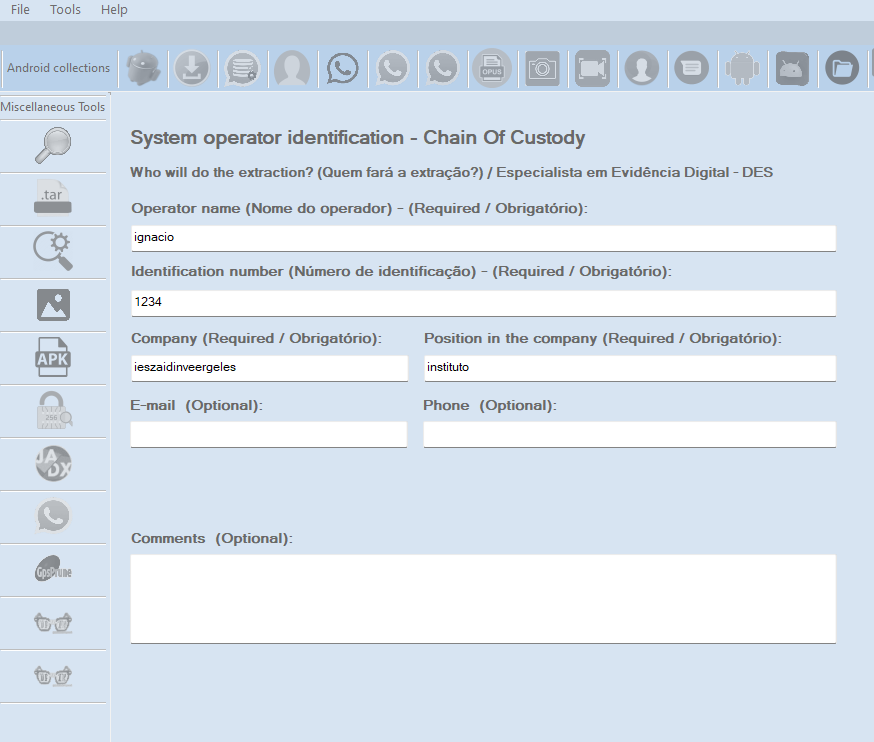
The first thing we must do is fill in our forensic investigator data to avoid compromising the chain of custody.
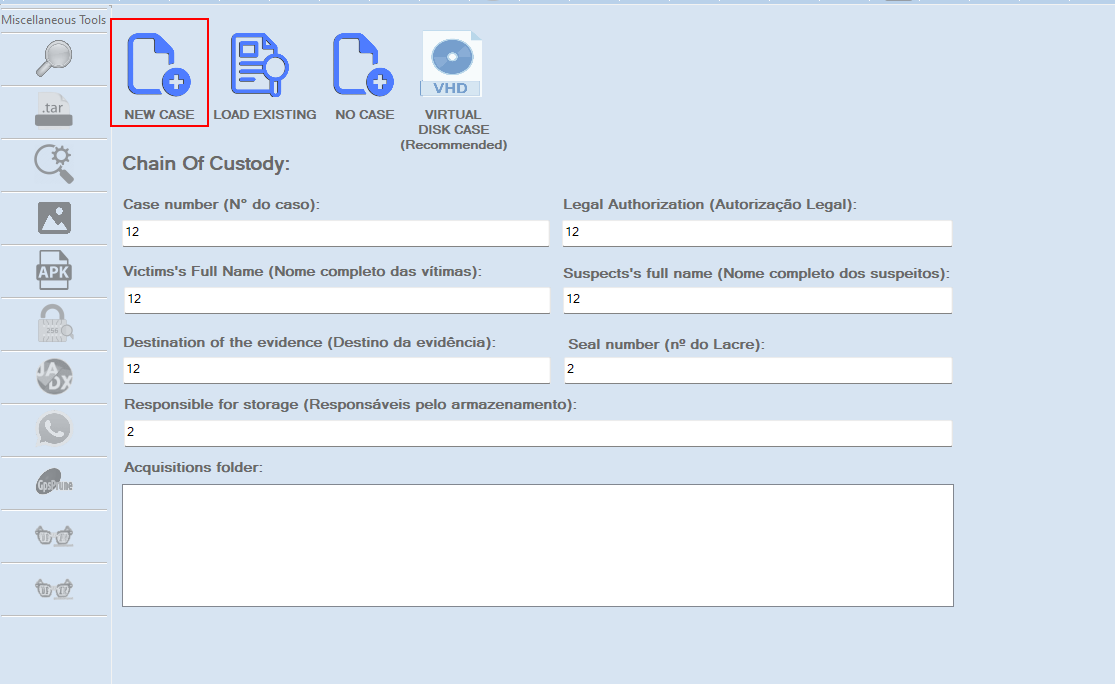
Now, we initialize a new case.
First, we will extract a backup of social media data using the APK downgrade method. To do this, we must first disable the built-in security protections on the target device.
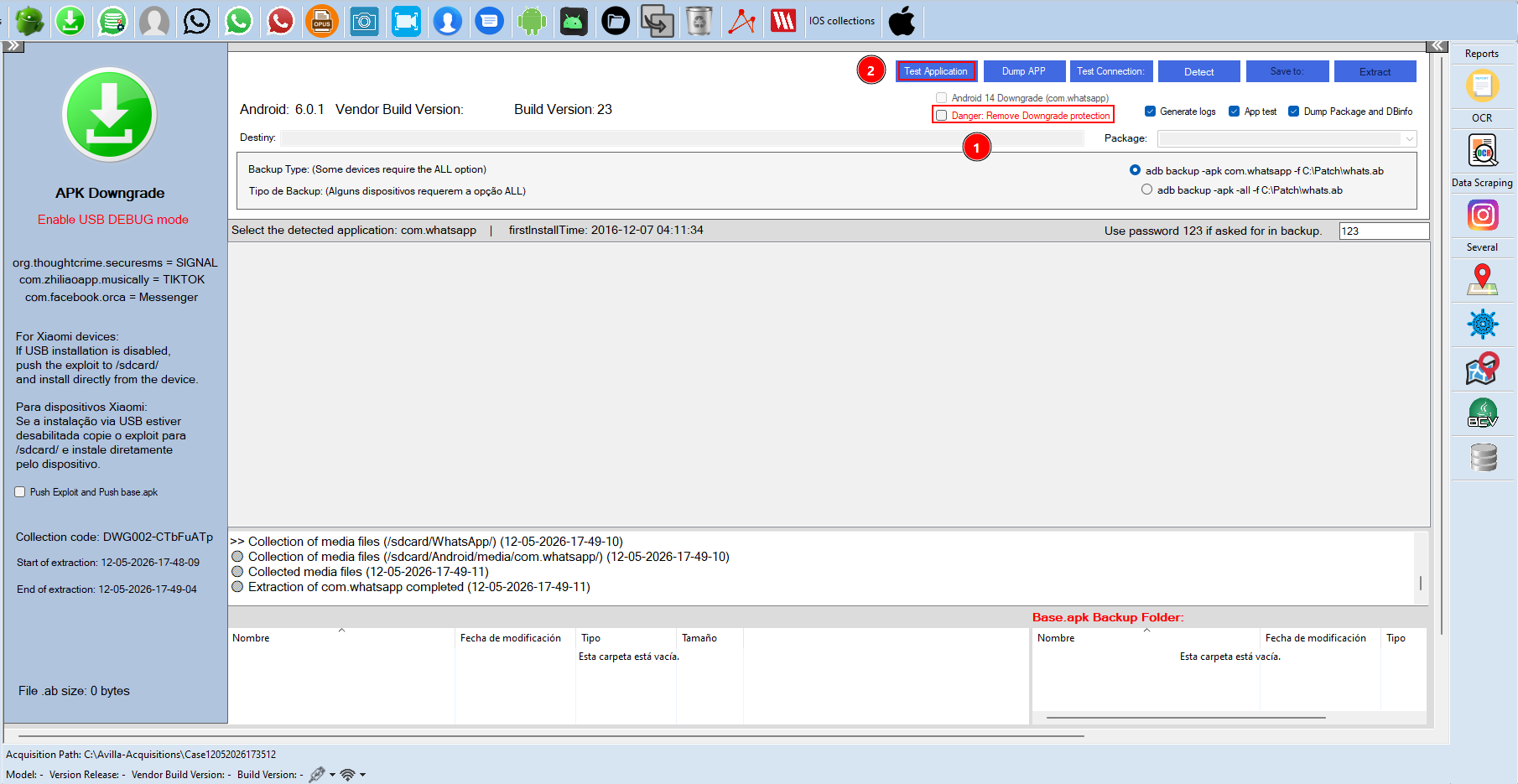
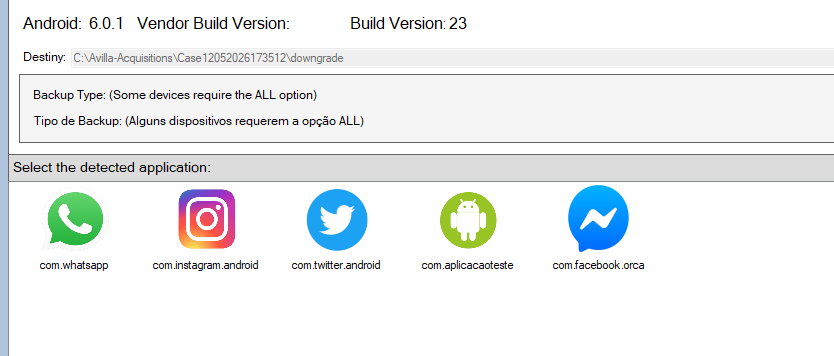
Given that this target device runs an older version of the OS, the technique succeeds. Once completed, we select the specific application package we want to extract.
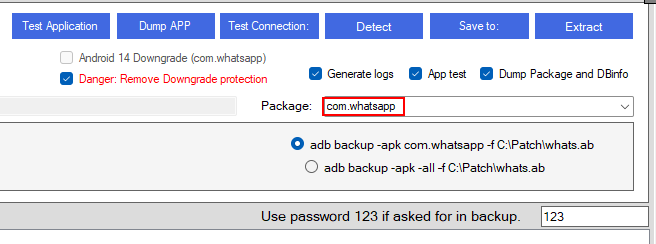
And we proceed with the extraction.
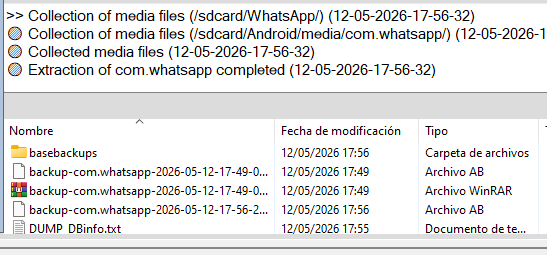
This same procedure can be carried out to harvest artifacts across multiple applications. Depending on the runtime permissions required by these applications, we will be able to retrieve a larger or smaller volume of forensic data.
The first essential item that must be acquired is a Faraday bag. This is crucial due to the risk of remote signals triggering malicious commands or anti-forensic software installed on the device, which could remotely wipe or alter the evidence. By using a Faraday bag to isolate the device immediately after seizure, any remote interaction or command execution is blocked, preserving the integrity of the evidence during the acquisition phase.
There are many options available on the market across various price points. Based on my research, I would recommend the following alternatives:
Regarding forensic extraction suites, several critical variables must be weighed.
Excluding extremely expensive intelligence-grade spyware solutions (which are generally restricted to state actors or governments), standard forensic software suites cannot easily extract full unencrypted disk images from modern, un-rooted consumer devices—which are the most common in the field.
Therefore, working under realistic budget constraints, we cannot expect commercial software to instantly bypass hardware encryption on non-rooted devices without specific vendor exploits. Even with these limitations, the leading commercial solutions currently on the market compare as follows:
| Feature | Cellebrite UFED | MSAB XRY | Oxygen Forensic Detective | Magnet AXIOM |
|---|---|---|---|---|
| Physical Extraction | Excellent | Excellent | Good | Limited |
| Android/iPhone Compatibility | Very High | Very High | High | Medium |
| Lock Bypassing | Very Advanced | Advanced | Medium | Low |
| Cloud Extraction | Good | Good | Excellent | Good |
| Post-Extraction Analysis | Good | Good | Very Good | Excellent |
| Law Enforcement / Judicial Adoption | Widespread | Widespread | Common | Common |
| Licensing Cost | Extremely High | High | High | High |
The ideal scenario for a mobile forensic investigation involves encountering a target device that meets the following criteria—which, realistically, are almost never observed in actual casework:
ADB) mode is fully enabled in the developer settings..config), and the kernel symbol table (System.map).a. Rooting Without Data Loss: The vast majority of modern rooting methods require unlocking the device bootloader, which triggers a factory reset, wiping the data partitions and destroying volatile data in RAM.
Possible Solution: The only viable workaround is leveraging local privilege escalation vulnerabilities (such as historical or unpatched flaws like Rage Against the Cage or modern kernel exploits) to gain temporary root execution without disrupting the active operating system state.
b. Android Security Mechanisms: An active lock screen prevents the investigator from accessing the interface to enable USB debugging or authorize trust keys. It is ideal to find a device that is already unlocked.
Possible Solution: Utilizing cold-boot attack vectors, such as the FROST (Forensic Recovery of Scrypted Tokens) methodology, to exploit hardware residual memory states before the keys clear from volatile RAM.
c. Hardware and Software Fragmentation: The massive fragmentation across thousands of Android models and custom kernels means that production devices almost never include built-in kernel symbols or structural definitions, which prevents tools like LiME from running out of the box.
Possible Solution: Cross-compilation. The forensic analyst must identify the exact system hardware model and OS build version, pull the specific kernel source code distributed by the original equipment manufacturer (OEM), and compile a custom module targeting those precise environment variables.
d. Technical and Legal Constraints: Deploying non-standardized extraction tools or unverified scripts risks modifying system data, which could compromise the legal admissibility of the evidence in court. Furthermore, automated extraction frameworks like Volatility can fail due to internal parsing errors or symbol mismatches.
Possible Solution: The investigator must possess advanced code-patching and debugging skills to audit open-source forensic frameworks manually. From a legal standpoint, it is entirely feasible to utilize custom open-source methodologies before a court of law, provided that the underlying scientific processes are documented, fully understood, and mathematically sound.